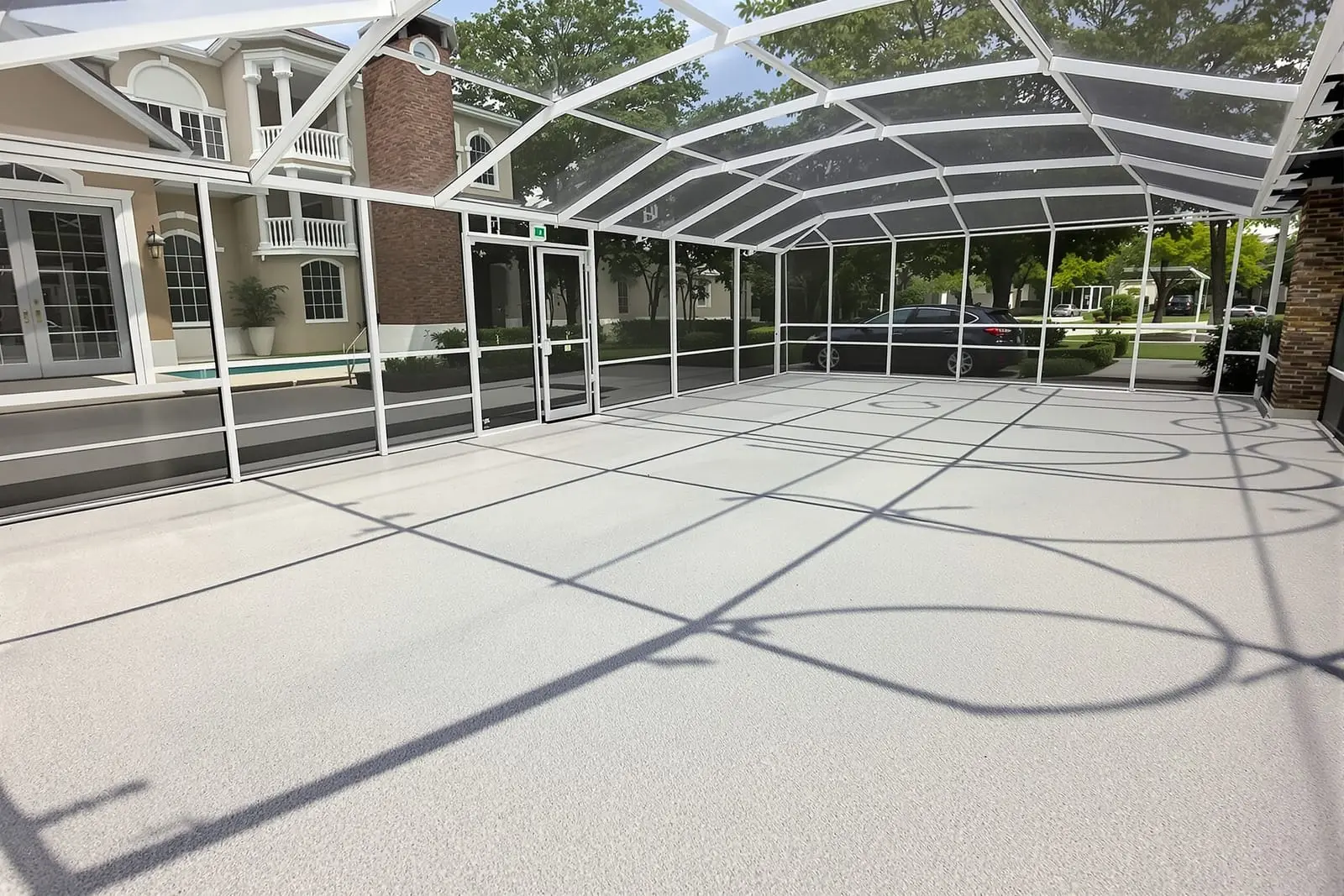
Vista Screens Kissimmee provides complete pool cage rescreening in Kissimmee, FL when your existing enclosure screens are faded, torn, or sagging. We carefully remove old mesh, inspect the aluminum structure, and install new high quality screens that stand up to sun and storms. Our team minimizes downtime so you can get back to enjoying your pool quickly. Refresh your backyard with a clean, tight new screen surface.
Vista Screens Kissimmee provides professional pool cage rescreening throughout Kissimmee, FL and the surrounding area. Our licensed, insured crew delivers safe, clean, on-time work with a free estimate before anything begins. Call (321) 352-4327 or request your free quote.
Pool Cage Rescreening in Kissimmee That Holds Up to Real Florida Weather
A pool enclosure in Central Florida lives a hard life. Sun, chlorine, afternoon storms, and constant humidity all break screens down faster than most homeowners expect. Vista Screens Kissimmee focuses specifically on pool cage rescreening that is built for Osceola County conditions, not just for looks on day one.
We inspect your entire enclosure before we quote, not just the obvious torn panels. That means checking for brittle spline, loose tracks, oxidized aluminum, corroded fasteners, door hardware issues, and loose kick-plates. This detailed approach keeps you from paying twice, first for a “quick patch job” and then again a year later for a real rescreen.
By the time we are done, you get a tight, consistent screen surface that keeps lovebugs, wasps, and mosquitoes out, stands up to strong summer thunderstorms, and still lets breeze and light through. Our goal is to give your pool area another full life cycle of performance, not just a cosmetic touch up.
Our Step-by-Step Pool Cage Rescreening Process
Every pool cage rescreening project with Vista Screens Kissimmee follows a deliberate process so you know exactly what will happen at your home.
1) On-site assessment and measurement. We walk the entire enclosure with you, identify ripped, bowed, or faded panels, note any frame damage, and measure every opening. We also check access points, like screen roof height and enclosure placement near fences, so we can plan safe ladder or staging use.
2) Material recommendation. Based on your needs, we help you decide between standard 18/14 mesh, No-See-Um mesh, or upgraded tear resistant screen. If you have a lot of pets, young kids, or nearby golf courses, we factor those into our recommendations. We also discuss color (usually charcoal), which impacts visibility and glare.
3) Removal of old screen and spline. We remove existing panels in a sequence that does not stress the frame or twist beams. Old spline is pulled from the tracks and disposed of. At this stage we often find hidden corrosion or small frame cracks. We document these and show you before doing any structural repairs.
4) Frame preparation and repairs. We clean spline grooves, remove debris, treat any light oxidation, and tighten loose fasteners. If needed, we replace rusted screws with stainless, swap worn door closers, and adjust hinges so screened doors close correctly. This is the part most quick-fix services skip, which is why their rescreens do not last.
5) Screen installation. Panels are rolled in one at a time, cut to exact size for each bay. We use quality spline sized correctly for your tracks, then tension the screen evenly so there is firmness without over-stretching. Roof panels are staged and installed with fall protection and careful sequencing so there are no sagging areas.
6) Detail check and cleanup. We trim excess screen, verify that every panel is tight, test door function, and walk the enclosure with you. Work areas are blown off and any stray fasteners or scrap are removed from your deck so you can safely enjoy the pool as soon as we leave.
Screen Options Designed for Kissimmee Pool Enclosures
Not all screen fabric behaves the same in Kissimmee’s climate. At Vista Screens Kissimmee we explain the trade-offs in plain language so you can choose what fits your home and budget.
Standard 18/14 pool mesh is the most common choice. It provides good airflow, solid insect protection, and a clean look at a reasonable cost. For homeowners who run the pool pump and heater often, this option keeps leaves and larger debris out without restricting air movement around the water.
No-See-Um or 20/20 mesh uses finer threads and tighter spacing to block tiny insects like midges and sand flies that can be a problem near marshy areas and retention ponds around Kissimmee. It slightly reduces airflow and light, but for many backyards near water or conservation areas, the added comfort in the evenings is worth it.
Tear resistant and “pet” meshes use thicker strands and a stronger weave. These cost more up front, but they are ideal if you have dogs that like to jump or lean on the screen or if your pool area gets frequent toys and balls thrown against the walls. For pool cages backing up to golf courses or play areas, this option can significantly extend the time between rescreens.
We also discuss upgrades such as Florida glass (a laminated privacy screen) for the bottom row or along property lines. This can help with privacy, wind-driven rain, and debris from neighboring trees, especially during our summer storm season.
What Drives the Cost of Pool Cage Rescreening
Homeowners often ask why one rescreen quote is higher than another. Vista Screens Kissimmee explains the numbers before we start so you can compare apples to apples.
Size and height of the enclosure are the biggest factors. A standard single-story pool cage with a simple gable or mansard roof uses less material and takes less time than a large two-story enclosure with lots of roof panels and angles. High roof panels require additional safety equipment and time.
Screen type also affects the price. Upgraded No-See-Um or tear resistant meshes and areas with Florida glass cost more per square foot than standard mesh, but usually pay off in longevity or comfort. We break out these options line by line so you can choose where it makes sense to invest.
Condition of the existing frame influences labor and hardware costs. If your pool cage has heavy oxidation, missing screws, or door problems, we will include recommendations for frame cleaning, screw replacement, and hardware upgrades. Skipping this may lower an initial quote, but it shortens the life of your new screens.
Access and layout matter too. Tight side yards, limited gate openings, complex rooflines, and nearby power lines or landscaping can slow down work and increase labor time. We account for this during the on-site visit, not as surprise charges later.
Finally, timing can play a role. Peak season in Kissimmee generally runs from late spring through early fall when storms and heavy use reveal screen problems. Scheduling early in the year may give you more flexibility in dates and sometimes better package pricing if you combine rescreening with door or hardware upgrades.
How Florida Climate Affects Timing and Durability
Kissimmee’s weather is not friendly to weak screens. Strong UV exposure, daily afternoon storms in summer, and year-round humidity all contribute to fading, brittleness, and mildew. Vista Screens Kissimmee selects materials and work practices with this in mind.
We plan rescreening so that adhesive-backed accessories, sealants, and frame coatings cure properly in our climate. When possible, we avoid opening the entire enclosure right before a forecasted storm window. For large jobs, we often sequence wall and roof panels in stages so your pool is never fully exposed to falling debris or direct sun for long.
We also account for wind uplift on roof panels. Proper tension, correct spline size, and consistent rolling technique help prevent panels from billowing during summer storms. This is especially important for enclosures that are more exposed to open fields, lakes, or retention ponds where wind hits harder.
During very hot months, we may adjust start times to earlier in the day. This protects both materials and our installers and it also reduces the time your deck surface is uncomfortably hot if we need to walk or set ladders there.
Understanding how long different screen types last in Central Florida is part of our consultation. Standard mesh often gives 7 to 10 years of service here if the frame and hardware are in good condition. Higher grade and tear resistant meshes can extend that window, especially where pets or heavy debris are a concern.
Common Pool Cage Screen Problems We Solve
Pool cage rescreening is not only about obvious rips. Vista Screens Kissimmee frequently addresses issues that many homeowners do not notice until they are severe.
Panel belly or sagging, especially in roof sections, is a sign that the screen has stretched or the spline has failed. Left alone, these areas are more likely to blow out in a wind event. During rescreening we correct the tension and make sure tracks and beams are clean and sound before installing new material.
Loose or shrunken spline causes panels to pull out of the frame at the edges. In our climate, cheap spline hardens and cracks quickly. We replace it with quality material sized correctly for your aluminum tracks, which helps your new screens stay locked in.
Door issues are another frequent complaint. Latches that do not align, doors that slam or stay open, and worn kick-plates all contribute to bug entry and safety concerns. As part of a rescreen, we can adjust or replace closers, latches, and hinges, and rescreen the door panels themselves so the entire entry system works smoothly.
We also see “puckering” around corners where screens were cut too short or stretched too tight the last time they were installed. Our installers measure each bay independently and roll screens with consistent pressure so corners lie flat and look clean.
If you live near wooded areas or lakes, you may also deal with frequent debris load from oak leaves, palm fronds, or lake insects. We can use heavier mesh or a combination of standard and privacy screening in strategic areas to reduce cleaning time and improve comfort.
What to Expect When You Hire Vista Screens Kissimmee
From first call to final walkthrough, Vista Screens Kissimmee focuses on clear communication and precise workmanship.
Before scheduling, we confirm access details, pets on site, and any pool equipment or furniture that may need temporary relocation. On the day of service, we arrive in marked vehicles, walk the project again with you, and protect sensitive items where needed.
During rescreening, we keep your yard as tidy as possible. Old screen and spline are collected and removed from the property. We avoid dragging materials across pavers and take care around landscaping and pool equipment.
At the end of the job, we perform a detailed inspection with you. We check that doors close properly, locks function, and all panels are tight. We explain what materials were used, how to spot future wear, and realistic timelines for the next maintenance cycle in Kissimmee’s conditions.
You also receive guidance on basic care. For example, rinsing the enclosure occasionally with low pressure water, not using harsh chemicals on the screen, and avoiding leaning heavy items against the panels. These simple steps help extend the life of your new rescreen.
Our goal is that when you look at your renewed pool cage, it not only looks new, it functions better than it did the day it was first installed.
“
Professional pool cage rescreening, done right the first time, quality materials, honest pricing, and results that last.